
Our beloved dogs and cats are cherished members of our families, and like us, they can benefit immensely from nature’s gifts. Incorporating essential oils into your pet’s routine is a powerful, natural way to support everything from joint comfort to a calm, balanced mood. However, because animals are uniquely sensitive, knowledge is the crucial first step toward safe and effective use.
Here is The Holistic Vibe guide to using essential oils safely and intentionally with your animal companions.
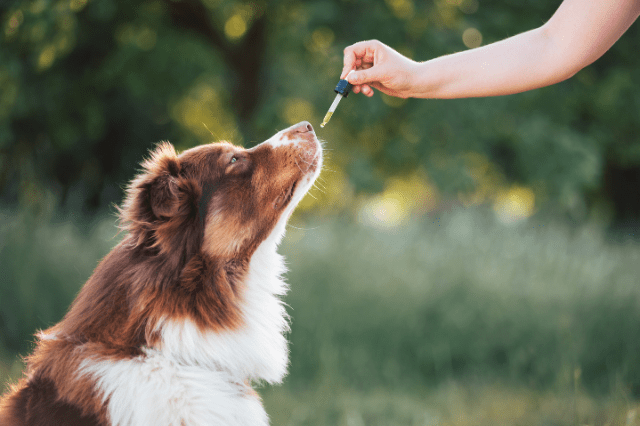
The most common myth we hear is that essential oils are inherently unsafe for animals. The truth is that purity, potency, and proper application are what truly determine safety. The key difference lies in biology:
Your pet has an incredible sense of smell. Dogs and cats possess 200 to 300 million olfactory receptors compared to a human’s mere 5 to 6 million. This means that a scent we find mild can be overwhelming for them.
The Holistic Rule: Always use less than you think you need. We follow the principle that “less is more” with pets, and dilution is non-negotiable.
Cats require special attention because their livers lack certain enzymes that humans and dogs have. This makes it harder for them to metabolize (break down) and eliminate certain compounds found in some essential oils. This means oils must be introduced slowly and carefully.
The Cat Rule: Never apply oils topically near their face or areas they might groom, and always provide an exit strategy when diffusing.
Before reaching for any bottle, remember these vital principles:
By following safe application methods (diluted topical or open-air diffusing), you can effectively use these powerful oils to support your pet’s emotional and physical well-being.
| Essential Oil | Primary Benefit | Holistic Application (Diluted) |
| Copaiba | Comfort & Calm | Excellent for supporting the musculoskeletal system, joints, and nervous system. Apply gently over areas of discomfort or along the spine. |
| Frankincense | Cellular Support | Known as the “king of oils,” it supports the immune system, promotes healthy skin, and soothes anxious feelings. Versatile for use on aging pets. |
| Lavender | Relaxation | Ideal for promoting healthy rest and reducing anxious feelings. Diffuse to create a soothing environment, or gently apply (diluted) to bedding or a bandana. |
| Cedarwood | Grounding & Balance | Excellent for managing stress, separation anxiety, and fear of loud noises. Diffuse during storms or apply (diluted) to your pet’s collar or bedding. |
| Ginger | Digestive Ease | Helps alleviate occasional stomach upset and discomfort. Apply topically (highly diluted) in a gentle circular motion over the abdomen. |
| Lemon | Environmental Cleanse | Great for purifying the air and supporting seasonal wellness. Diffuse to freshen the air or use in non-toxic cleaning sprays. |
Start using essential oils safely and confidently around your pets. This must-have 17-page guide from veterinarian Dr. Janet Roark (Essential Oil Vet) is FREE for a limited time—GRAB IT HERE
If you’re feeling confident and ready to dive in—SHOP OILS
If you’re looking for even more FREE essential oil resources specifically for animals—GO HERE
We move beyond temporary fixes to find exactly what is driving your pet’s challenges. By identifying underlying stressors and optimizing nutrition, we replace guesswork with a clear plan for long-term well-being.
Have a question?

Our goal is to create a level of wellness that minimizes the need for reactive care. Investing in a proactive foundation is the most significant gift you can give your pet’s vitality—and your own peace of mind.
Medical Disclaimer: The Holistic Vibe provides wellness education and coaching; our services do not replace professional medical or veterinary care. Always consult an individual licensed professional for specific health concerns.
Wellness Disclosure: Statements regarding supplements, vitamins, or any health products mentioned on this website, on our social media channels, or within our personalized guides have not been evaluated by the FDA. Our suggestions are designed to support a foundation of vitality and are not intended to diagnose, treat, cure, or prevent any disease or medical condition for humans or animals.
Affiliate Disclosure: This website may contain affiliate links. If you purchase through these links, we may receive a small commission at no additional cost to you. We only recommend products that align with our root-cause wellness standards.
You cannot copy content of this page.